Floor Scrubber Not Picking Up Water?
Is your floor scrubber leaving water, streaks, or wet areas behind?Poor water pickup does not always mean the vacuum motor has failed. In many cases, the issue can be corrected by checking the squeegee rubber, recovery tank, vacuum hose, float system, or foam level.Follow the steps below before requesting technical support.

1. Check the Battery & Vacuum Motor
Make sure the battery has sufficient charge and the vacuum motor turns on normally. Listen for normal motor operation and check for noticeable suction.
2. Check the Recovery Tank & Seals
Make sure the drain hose cap and recovery tank lid are completely closed. Check the lid gasket for damage or gaps that could cause an air leak.
3. Check the Vacuum Hose & Squeegee
Check the vacuum hose and squeegee suction port for clogs, loose connections, cracks, or debris. Make sure the squeegee blades are clean, undamaged, and making even contact with the floor.
4. Check for Foam, Float & Filter
Check the recovery tank for excessive foam. Make sure the float and filter are clean and not stuck or blocked. Use the correct amount of low-foaming cleaning solution and defoamer when needed.
QUICK CHECKS
Before starting detailed troubleshooting, check these common causes of weak suction or poor water pickup first.
STEP-BY-STEP TROUBLESHOOTING
Complete each step before moving to the next one
Turn on the machine and make sure the battery level is sufficient. Low battery voltage may affect the performance of the vacuum system. If the battery level is low, fully charge the batteries before continuing the test.
Turn on the vacuum function and make sure the vacuum motor is running normally. Listen for the sound of the vacuum motor and check whether there is noticeable airflow or suction. If the machine displays the vacuum motor current or other operating information, check for any abnormal readings or error indicators. If the vacuum motor is running but the suction power is weak or the machine is not picking up water properly, continue with the following checks.
Make sure the cap of the recovery tank drain hose is completely closed and tightened. If the drain hose is not properly sealed, the recovery tank cannot maintain the negative pressure required for proper suction, which may result in weak suction or poor water pickup.
With the vacuum motor running, gently try to lift the recovery tank lid. Under normal operating conditions, the vacuum should pull the lid tightly against the tank, making it difficult to lift. If the lid can be lifted easily, inspect the rubber gasket around the recovery tank lid. Make sure it is properly installed and check for cracks, damage, deformation, or gaps that could cause an air leak.
Check whether there is excessive foam inside the recovery tank. Using too much cleaning solution or using a high-foaming detergent can create excessive foam during operation. Excessive foam may be drawn into the vacuum system and could eventually reach the vacuum motor, resulting in reduced suction performance or damage to the motor. You can clean the floor with clean water. If the floor is greasy or sticky, you can add solution to the solution tank (lower tank) while adding defoamer/anti-foam in the recovery tank (upper tank) or the vacuum motor might be damaged. (You can order the solution and defoam here https://www.crystalfloorscrubber.com/accessories) How much solution should be put in clean water tank (lower tank)? Dilute solution according to the degree of soil and method of cleaning. Recommended dilution ratios of clear to water are as follows: (Balance EC) Light soils: 1-2 oz. of cleaner per gallon of water.Medium soils / Deep scrub: 2-4 oz. of cleaner per gallon of water. or (Blaze 8) Light soil: 1:40, Medium soil: 1:20, Heavy soil: 1:10, Pressure washing: up to 1:256. Defoamer in Sewage/Return tanks: Add ½-1 oz. per gallon of return tank capacity. (Industrial & CIP: Add 1 oz. per 50 gallons of mixing tank capacity.)
Disconnect the suction hose and place your palm near the hose opening to feel the suction strength. If the suction is weak, inspect the hose for clogs, cracks, holes, loose connections, or other damage. Clean the inside of the hose and remove any debris or blockage. If the suction is strong at the hose but the machine still does not pick up water properly, continue checking the squeegee assembly.
Remove the squeegee assembly and thoroughly clean the suction port. Make sure there is no debris or blockage in the suction opening. Inspect the squeegee blades for excessive wear, cracks, tears, deformation, or other damage. Also make sure the blades are making even contact with the floor. If the squeegee blades are excessively worn or damaged, replace them and test the machine again.
Inspect the float and filter inside the recovery tank. Make sure they are clean and not stuck or blocked. A clogged filter or stuck float may restrict airflow and reduce suction performance.
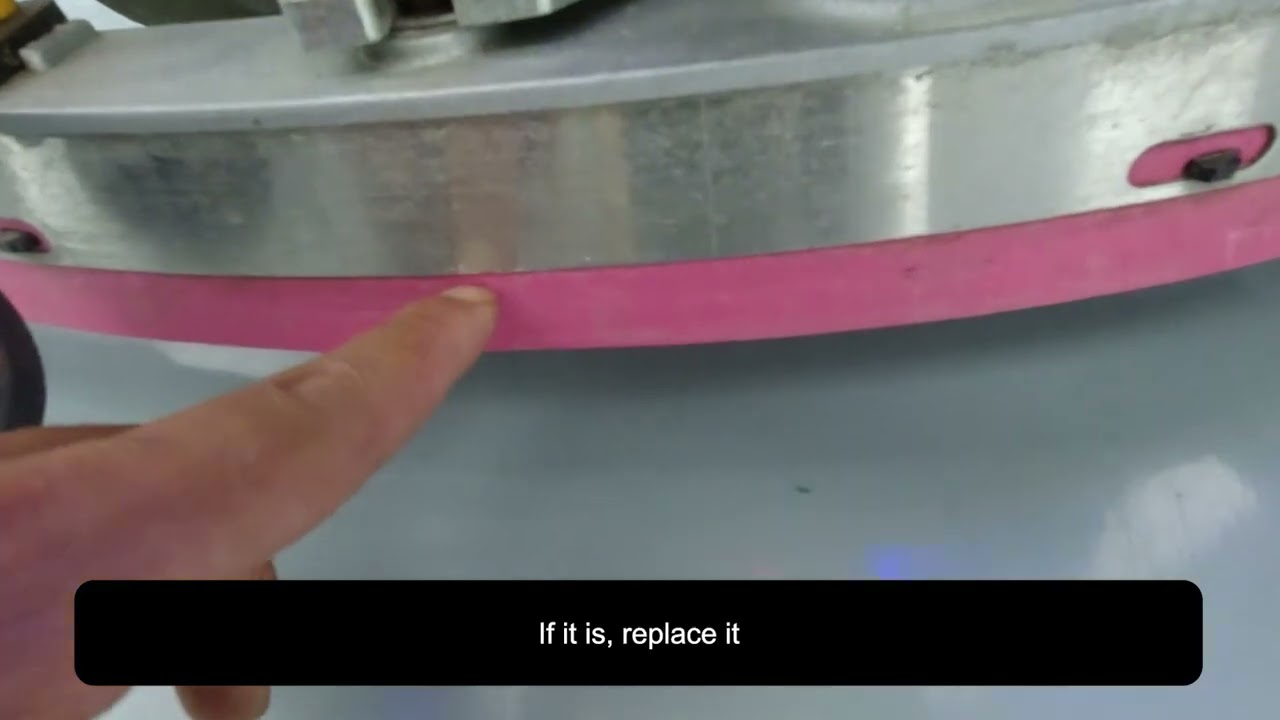
Floor Scrubber Not Picking Up Water?
Frequently asked questions


Find More Answers in Our Support Center
Our Support Center includes helpful resources for many common floor scrubber questions, including:
-
Frequently asked questions
-
Operation and maintenance videos
-
Troubleshooting information
-
User manuals
-
Parts and accessories
-
Battery and charging guidance
-
Brush and pad questions
CONTACT SUPPORT
Still Having Trouble?
If you have completed the troubleshooting steps above and the issue is still not resolved, please contact our support team.
To help us identify the problem, please provide:
-
Your machine model
-
Your order number, if available
-
A brief description of the problem
-
A clear video showing the issue while the machine is operating
-
Close-up photos or videos of the affected area or any abnormal condition
When recording the video, please clearly show the problem you are experiencing and any relevant details that may help us identify the cause.
Our technical support team can provide further troubleshooting assistance and remote guidance based on the information provided.
Contact us for technical support.
Call: 626-900-0778
Email: floorscrubberusa@gmail.com
